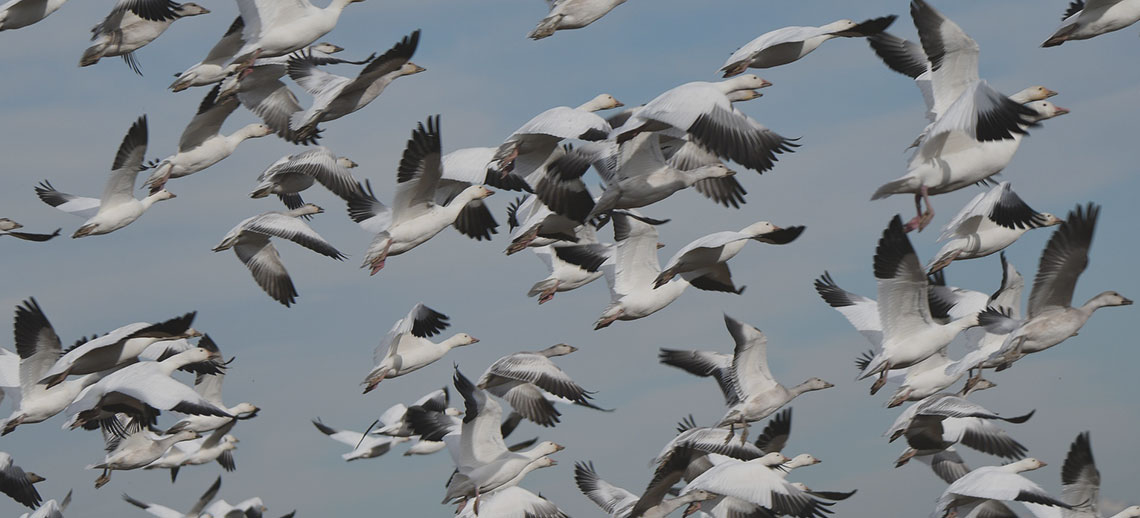

Snow goose decoy spreads are one of the most debated—and misunderstood—parts of successful snow goose hunting. Some hunters swear by massive spreads with thousands of decoys, while others consistently kill birds using smaller, more efficient setups.
The truth is that both small and massive decoy spreads can work when used in the right conditions. This article breaks down when each approach is effective, how to build realistic spreads, and what outfitters, guides, and photographers should consider when planning setups during migration season.
Why Decoy Spreads Matter for Snow Geese
Snow geese are highly social and visually oriented birds. Large migrating flocks are constantly searching for safety, food, and numbers. A convincing decoy spread communicates all three.
- Decoys create visual confidence from long distances
- Spread layout influences landing approach and commitment
- Movement and realism help overcome hunting pressure
The goal is not just to attract birds—but to convince them to finish.
Small Snow Goose Decoy Spreads: When Less Is More
Small spreads typically range from 5 to 15 dozen decoys. While they may seem minimal compared to large operations, small spreads can be extremely effective under the right conditions.
Best Situations for Small Spreads
- Freshly arrived birds with low hunting pressure
- Fields with limited visibility or natural cover
- Smaller groups or family units
- Mobile hunts requiring quick setups
Advantages of Small Spreads
- Faster setup and teardown
- Less equipment and manpower required
- Easier to adapt to changing flight lines
- More natural appearance in pressured areas
Small spreads rely heavily on precise scouting and correct placement on the X. When birds are already committed to a field, realism often matters more than sheer numbers.
Massive Snow Goose Decoy Spreads: Creating Visual Dominance
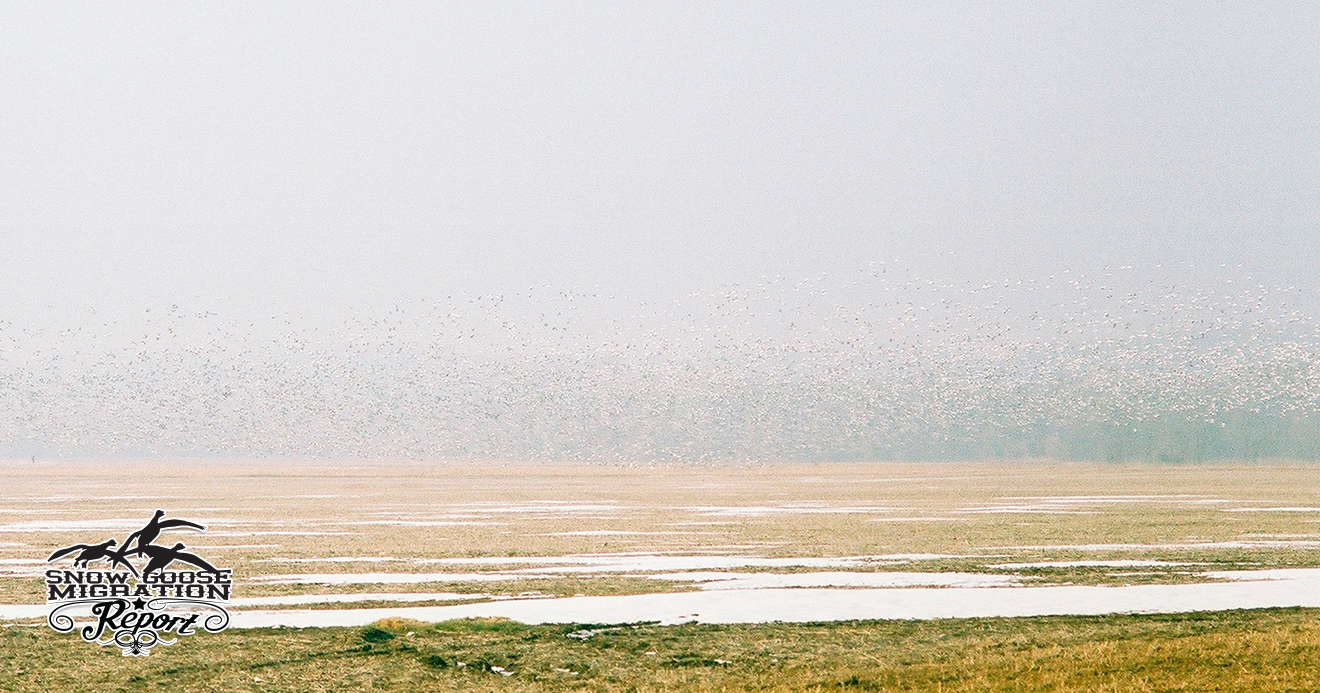
Massive spreads typically involve 1,000+ decoys and are often used by outfitters and experienced crews targeting large migrating flocks.
Best Situations for Large Spreads
- Peak migration periods with constant movement
- Open agricultural fields with long visibility
- Heavily pressured birds that need extra confidence
- Outfitted hunts with multiple shooters
Advantages of Massive Spreads
- Highly visible from extreme distances
- Simulates major staging events
- Pulls birds off competing fields
- Supports higher-volume shooting opportunities
Large spreads work best when combined with proper motion, sound, and disciplined hide placement.
Spread Shape & Layout: Size Isn’t Everything
Regardless of spread size, layout design plays a major role in success.
- U or J shapes: Encourage birds to land into the wind
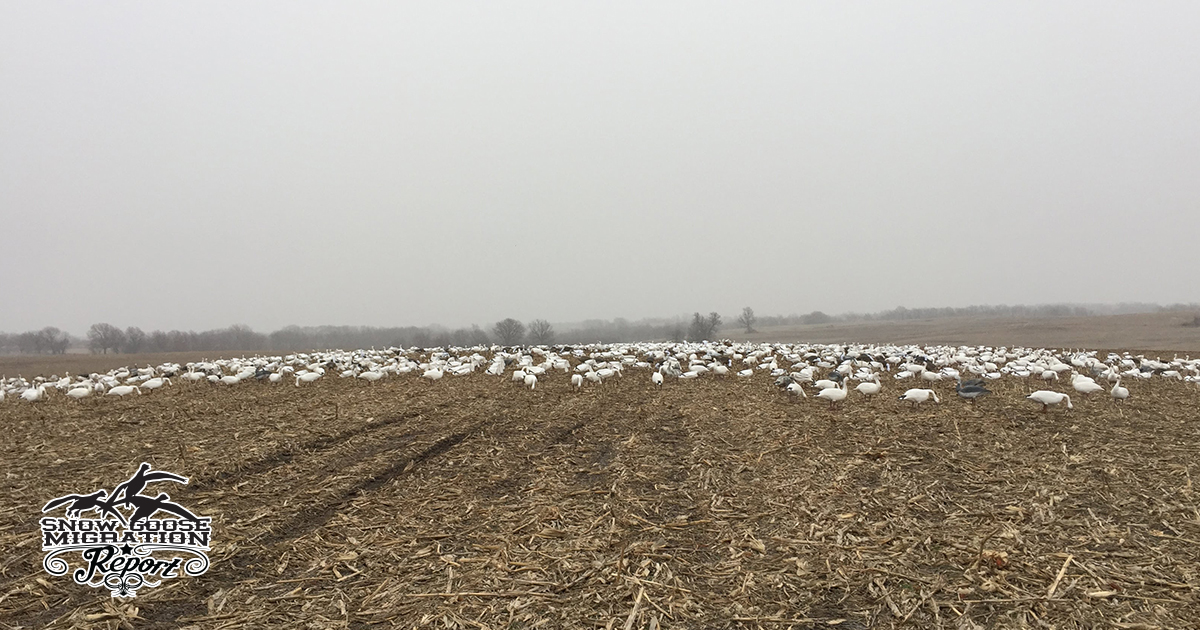
- Loose family groups: Mimic natural feeding behavior
- Open landing zones: Give birds a clear place to finish
- Motion decoys: Break up static looks and add realism
Avoid overly uniform spacing. Natural snow goose feeds are chaotic, uneven, and constantly shifting.
Sound, Motion & Pressure Considerations
Decoys alone rarely seal the deal. Successful spreads integrate sound and motion while accounting for hunting pressure.
- Electronic callers help replicate large flock noise (where legal)
- Wind-driven or rotary motion adds life to spreads
- Reduced calling may be better for educated birds
- Overcalling can cause birds to slide wide or flare
Adjust sound and motion intensity based on bird behavior and conditions.
Outfitter & Guide Considerations
Outfitters and guides often blend both approaches—using massive spreads during peak movement and scaling down when conditions demand flexibility.
Explore professional services here:
Snow Goose Hunting Outfitters & Guides
Large spreads also create excellent opportunities for:
- Client success consistency
- Photography and videography
- Gear testing and demonstrations
Gear That Supports Effective Decoy Spreads
The right equipment makes both small and large spreads more efficient and realistic.
Browse gear vendors and stores here:
Snow Goose Hunting Gear Vendors & Stores
See the latest featured gear here:
Latest & Featured Snow Goose Hunting Gear and Equipment
- Full-body, windsock, and silhouette decoys
- Motion systems and rotary machines
- Durable bags, sleds, and trailers
- Effective concealment and blinds
Photographers & Videographers: Spread Size & Visual Impact
Large decoy spreads paired with active migration provide dramatic visual storytelling opportunities.
- Mass landings and takeoffs
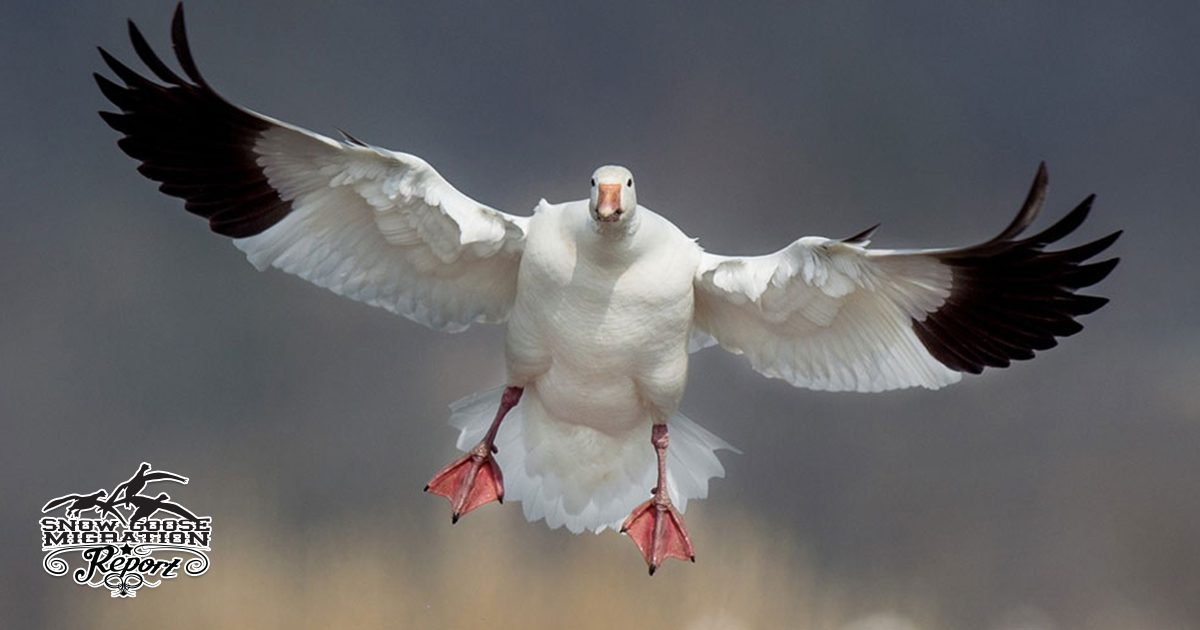
- Close-range finishing shots
- Wide-angle field compositions
- High-energy action footage
Connect with visual professionals here:
Snow Goose Photographers & Videographers
Sponsorship & Industry Support
Gear manufacturers, outdoor brands, and service providers benefit from exposure alongside real-world decoy strategies and migration coverage.
Learn more here:
Snow Goose Migration Report Sponsors
Final Thoughts
There is no single “perfect” snow goose decoy spread. Success comes from understanding bird behavior, adapting to conditions, and choosing the right setup for the moment.
Whether you’re running a small, precise spread or managing a massive operation, flexibility and realism will always outperform size alone.