
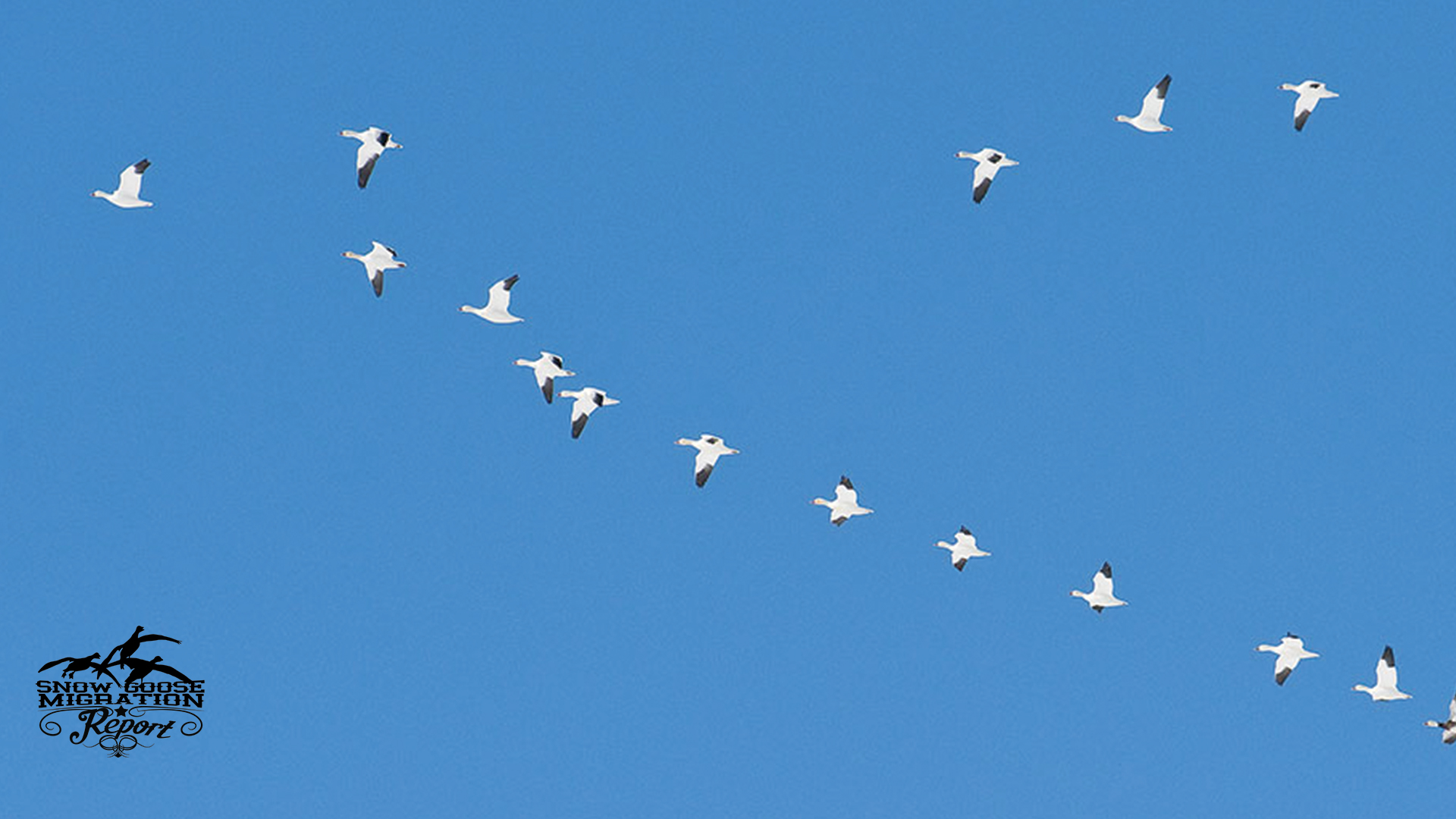

Snow Goose migration is one of North America’s most dramatic wildlife spectacles — with millions of birds moving north in massive waves from February through May. Whether you are a hunter, guide, outfitter, photographer, or simply a migration enthusiast, understanding when and where these birds move each season can dramatically improve your success and deepen your appreciation for the journey.
This article breaks down the major migration patterns, key factors influencing timing, regional flyway notes, and what to expect for the 2025–26 migration season. You’ll also find useful links to resources on guided hunts, gear vendors, featured equipment, sponsors, and photographers/videographers that can support your season.
Understanding Snow Goose Migration: The Big Picture
Snow geese migrate along two major corridors:
1. The Central Flyway
- Texas
- Oklahoma
- Kansas
- Nebraska
- The Dakotas
- Prairie Canada
The Central Flyway typically sees early and dense pushes, with birds staging heavily in agricultural regions — especially wheat, corn, and bean fields.
2. The Mississippi Flyway
- Arkansas
- Missouri
- Illinois
- Iowa
- Minnesota
This flyway experiences slightly more staggered movement, with major weather systems dictating large “jump days.”
What Influences Migration Timing Each Year?
Migration can shift by 1–3 weeks depending on environmental factors such as:
Snow cover
Deep snow halts northward progress; bare fields accelerate it.
Temperature
Warm fronts cause sudden large pushes; cold snaps can stall birds for days or weeks.
Food availability
Birds follow open agricultural fields, especially where new waste grain is exposed.
Wind
Strong south winds often produce multi-state “jump days” where migration surges.
2025–26 Migration Outlook (Predicted General Timeline)
Below is a typical pattern overview many years follow, though weather can shift specifics:
Late January – Early February
- First movement out of Texas and Louisiana
- Geese start stacking into Arkansas and eastern Oklahoma
Mid–February
- Massive pushes into Missouri and Kansas
- First big staging events in central Kansas and southeast Nebraska
Late February – Early March
- South Dakota and Iowa begin to fill
- Missouri River corridor becomes a major hotspot
Mid–March
- Birds flood into North Dakota
- Some early groups begin crossing into Manitoba and Saskatchewan
Late March – April
- Peak migration into Prairie Canada
- Rapid movements as breeding urgency increases
April – May
- Final northern migration into the Arctic breeding grounds
If you produce regional migration reports, plan hunts, provide guiding services, or photograph snow geese, this timeline is essential for maximizing your opportunities.
Key Staging Areas to Watch in 2025–26
Nebraska – Rainwater Basin
One of the continent’s largest spring concentrations; weather-dependent but typically late February–mid March.
South Dakota – Missouri River Corridor
Prime holding area for 2–4 weeks depending on temperature.
North Dakota – Central Prairies
Rapid turnover but incredible late-March density.
Saskatchewan & Manitoba
Final major agricultural staging before Arctic departure.
Knowing these choke points helps hunters, outfitters, and photographers position themselves at the perfect time.
Hunting Implications for the 2025–26 Season
Snow Goose hunting success hinges on:
- Being positioned just ahead of the migration wave
- Scouting fresh feeds and newly arrived groups
- Having flexible travel or guiding schedules
- Monitoring weather patterns closely
Running traffic spreads near migration corridors or setting up over fresh feeds in staging areas will give outfitters, guides, and self-hunters the best results.
Opportunities for Photographers & Videographers
Snow Goose migration is a goldmine for capturing:
- Mass takeoffs (“cyclones”)
- Feeding behavior in fields
- Mid-migration flocks moving against dramatic skies
- Roost explosions at sunrise
Professional and hobby photographers alike can time their travel to the peak migration windows above.
Helpful Resources for Season Preparation
Explore these pages from Snow Goose Migration Report that support guides, outfitters, hunters, birders, and content creators:
For Outfitters & Guides
Snow Goose Hunting Outfitters & Guides Directory
A showcase of professional guiding services — great for hunters looking for expert help, and for guides wanting visibility.
For Gear Vendors & Outdoor Stores
Snow Goose Hunting Gear Vendors & Stores
Add your business or shop for decoys, blinds, ammo, clothing, and specialized gear.
Latest Featured Gear
Newest & Featured Snow Goose Hunting Equipment
Spotlight on trending or innovative gear — decoys, e-callers, clothing, motion systems, and more.
Sponsor Opportunities
Snow Goose Migration Report Sponsors
Partner with the site for exposure to thousands of migration followers and hunters.
For Photographers & Videographers
Snow Goose Photographers & Videographers Directory
A dedicated page highlighting visual creators who specialize in waterfowl and migration content.
Final Thoughts
Snow Goose migration is dynamic, powerful, and highly influenced by weather — but knowing the general patterns gives hunters, guides, and wildlife enthusiasts a huge advantage. As the 2025–26 season progresses, staying connected to real-time field reports will be the most valuable tool.